
| Stage | Key Features | Environmental Impact | |--------------|---------------------------------------|--------------------------------| |
Pulping | Mechanical grinding (no chemicals) | 40% less water consumption | | Drying | Through-air drying (TAD) technology
25% energy reduction | | Conversion | Minimal processing steps | Near-zero wastewater discharge |
| Stage | Technical Specifications | Environmental Considerations | |--------------|---------------------------------------|----------------------------------| |
Bleaching | Elemental Chlorine-Free (ECF) process | Generates 30% more CO₂ emissions | | Refining | Multiple-stage mechanical refining
| 50% higher water usage | | Coating | Surface application of OBAs | Potential aquatic toxicity risks |
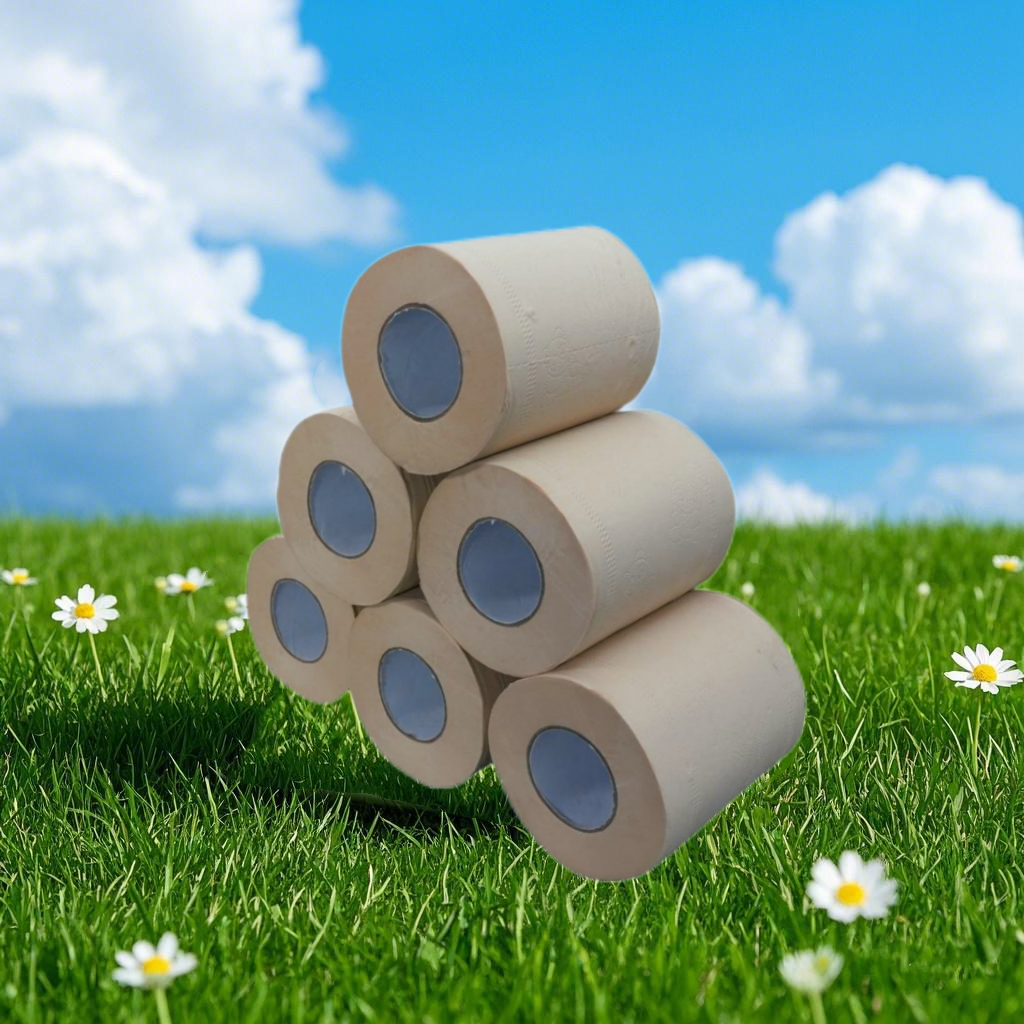
Brown Tissue:
Wet tensile strength: 120-150 N/m
Water absorption rate: 5-7 sec (ASTM D5802)
Ideal for: Industrial packaging, heavy-duty cleaning
White Tissue:
Wet strength: 80-100 N/m (with resin additives)
Absorption rate:-5 sec
Preferred for: Food service, personal hygiene
| Metric | Brown Tissue | White Tissue | |----------------------|----------------------|----------------------| |
Carbon Footprint | 0.8 kg CO₂e/kg | 1.4 kg CO₂e/kg | | Biodegradability | 98% in 28 days | 82% in 28 days | | Recycled Content |
Up to 40% post-consumer | Typically <10% | |ifications | F, Nordic Swan | PEFC, EU Ecolabel |
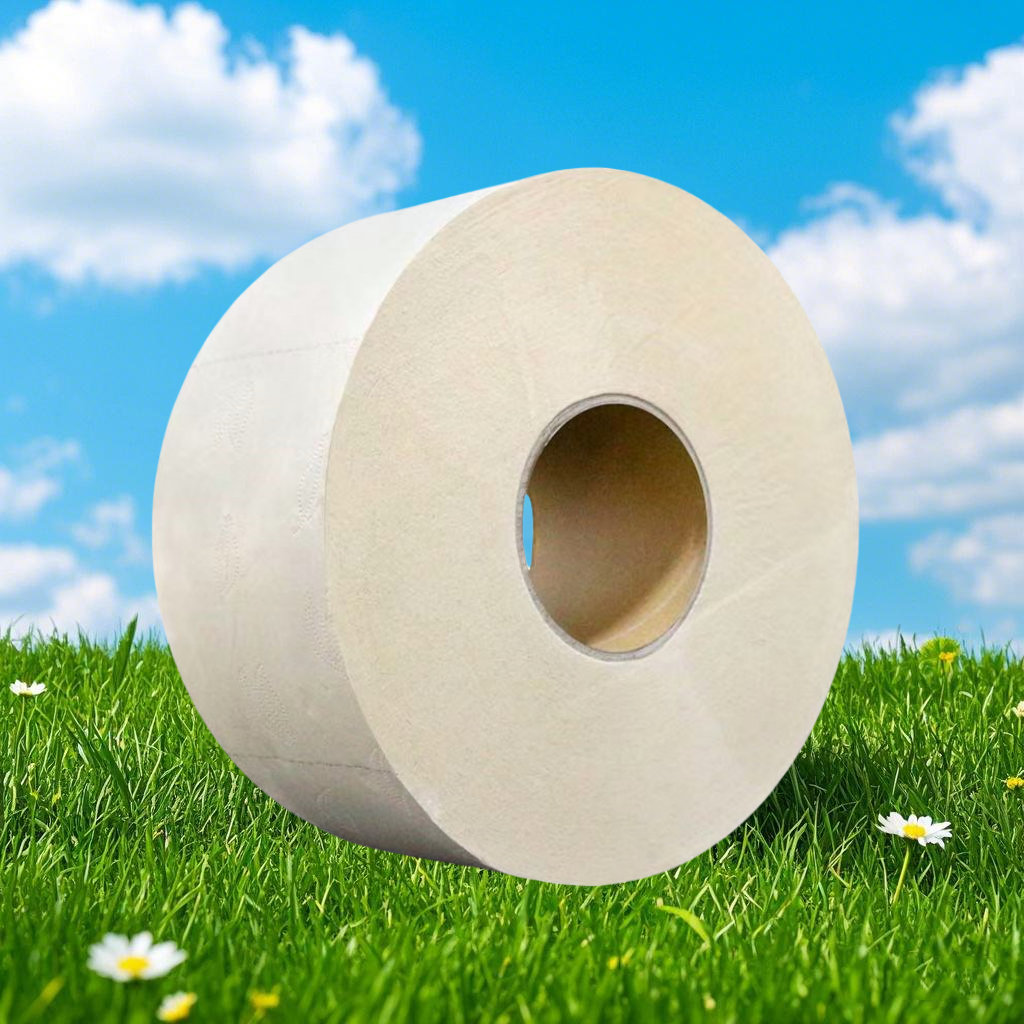
The brown vs. white tissue decision matrix should consider:
Modern solutions include hybrid products like semi-bleached tissues (30-50% lignin) that balance ecological
concerns with performance expectations.
Title: Brown Tissue vs White Tissue: Manufacturing, Performance & Sustainability Compared
Description:
Comprehensive technical of brown and white tissue papers, analyzing production processes, mechanical properties, environmental impact,
and commercial applications for informed purchasing decisions.
Keywords:


